

Displays for Diagnostics
Transforming Healthcare, Together
What is a
diagnostic
display
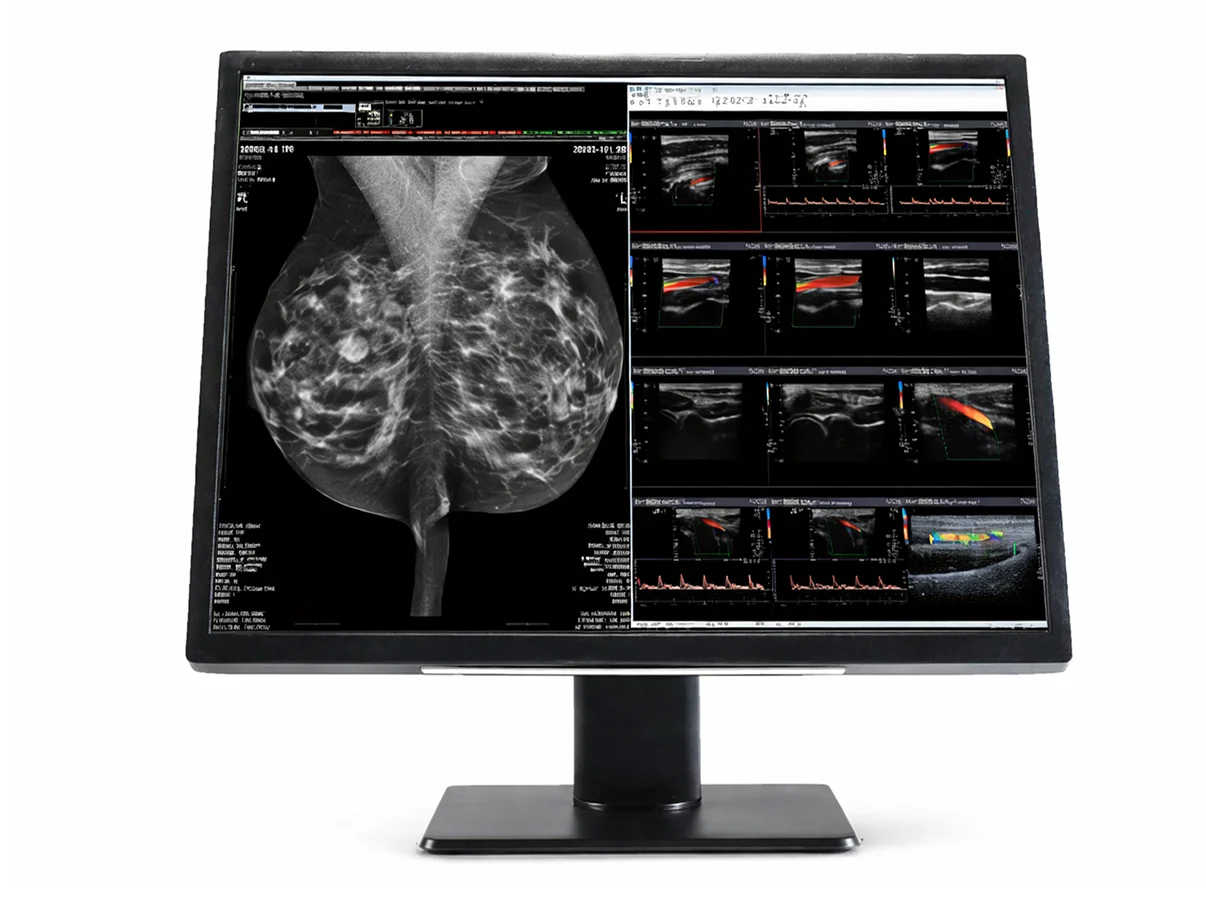
A diagnostic display is not an ordinary monitor. It is a tool specifically designed for doctors who work with medical images.
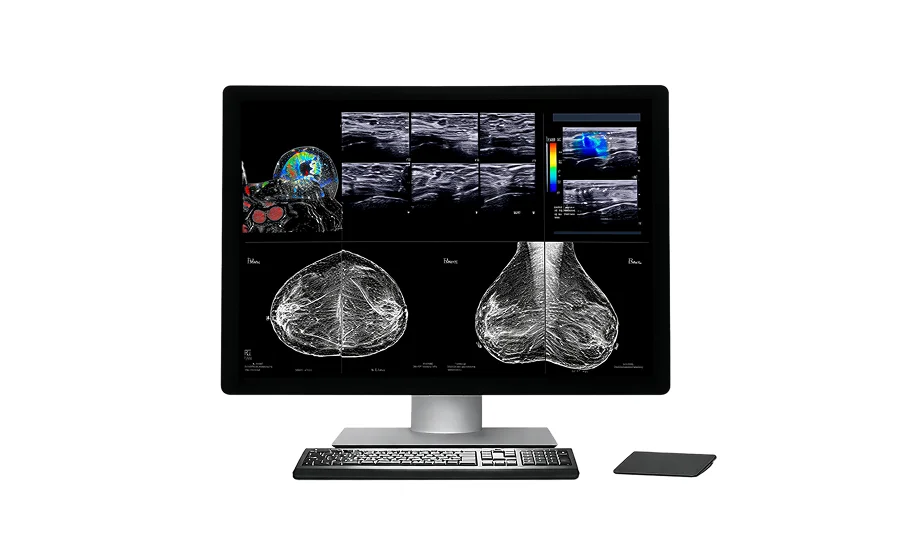
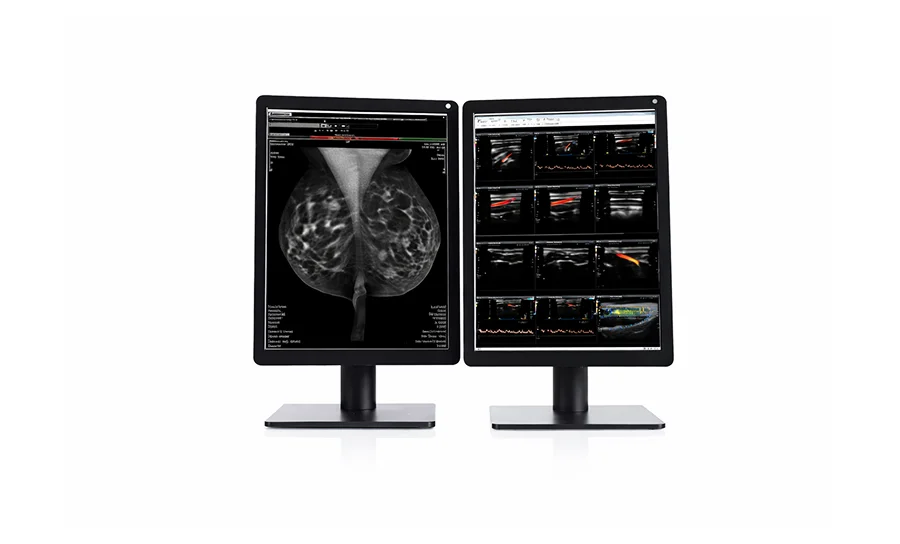
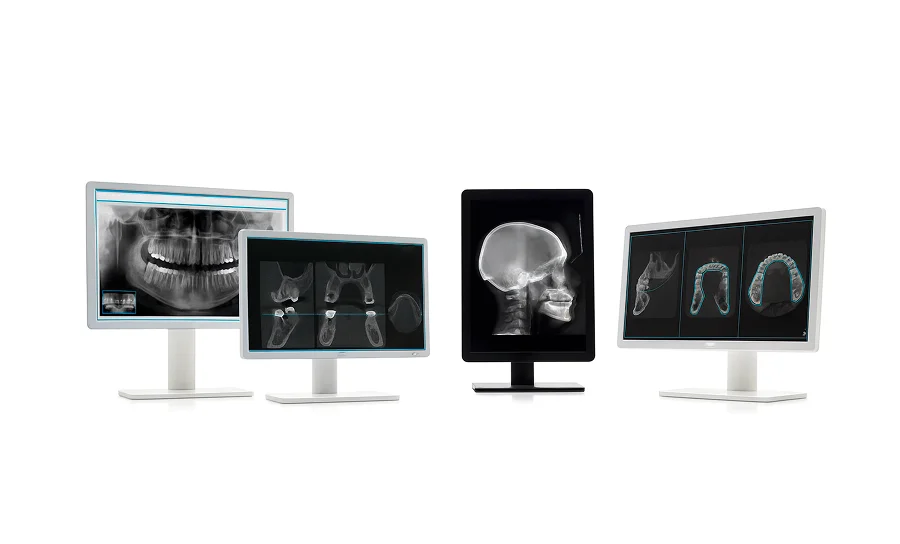
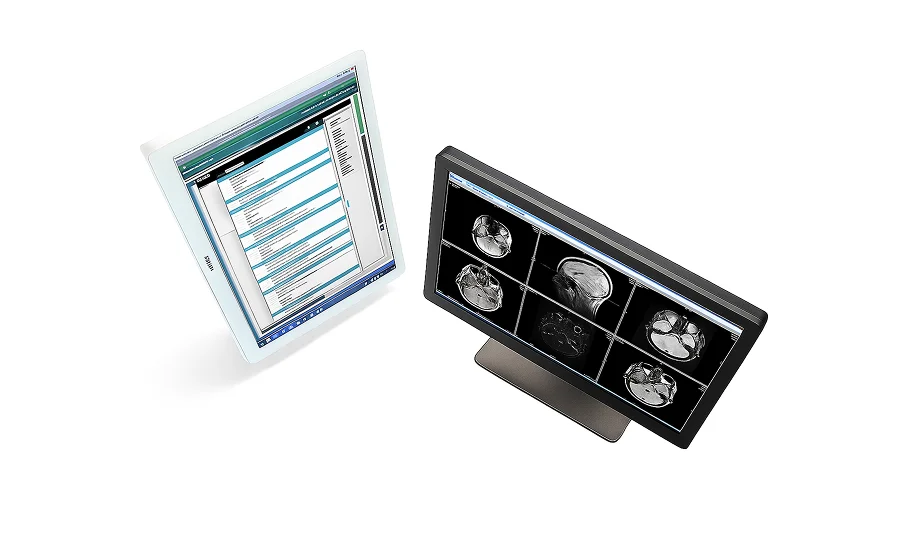
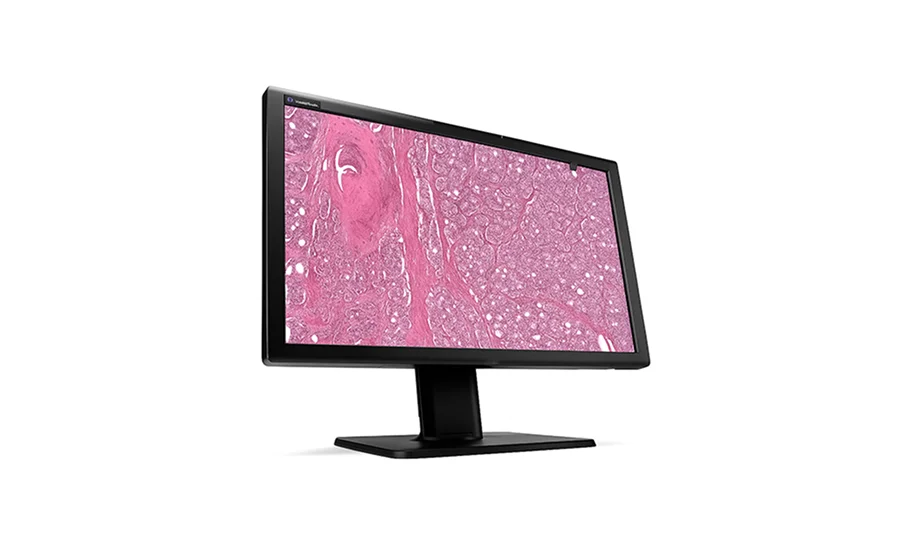
Such displays are used in radiology, mammography, dentistry, digital pathology, and surgery.
The main difference is image accuracy and stability.
Medical displays maintain consistent brightness and color reproduction throughout their lifetime, eliminate noise, and guarantee compliance with the DICOM standard, making visualization as reliable as possible.
Key Features
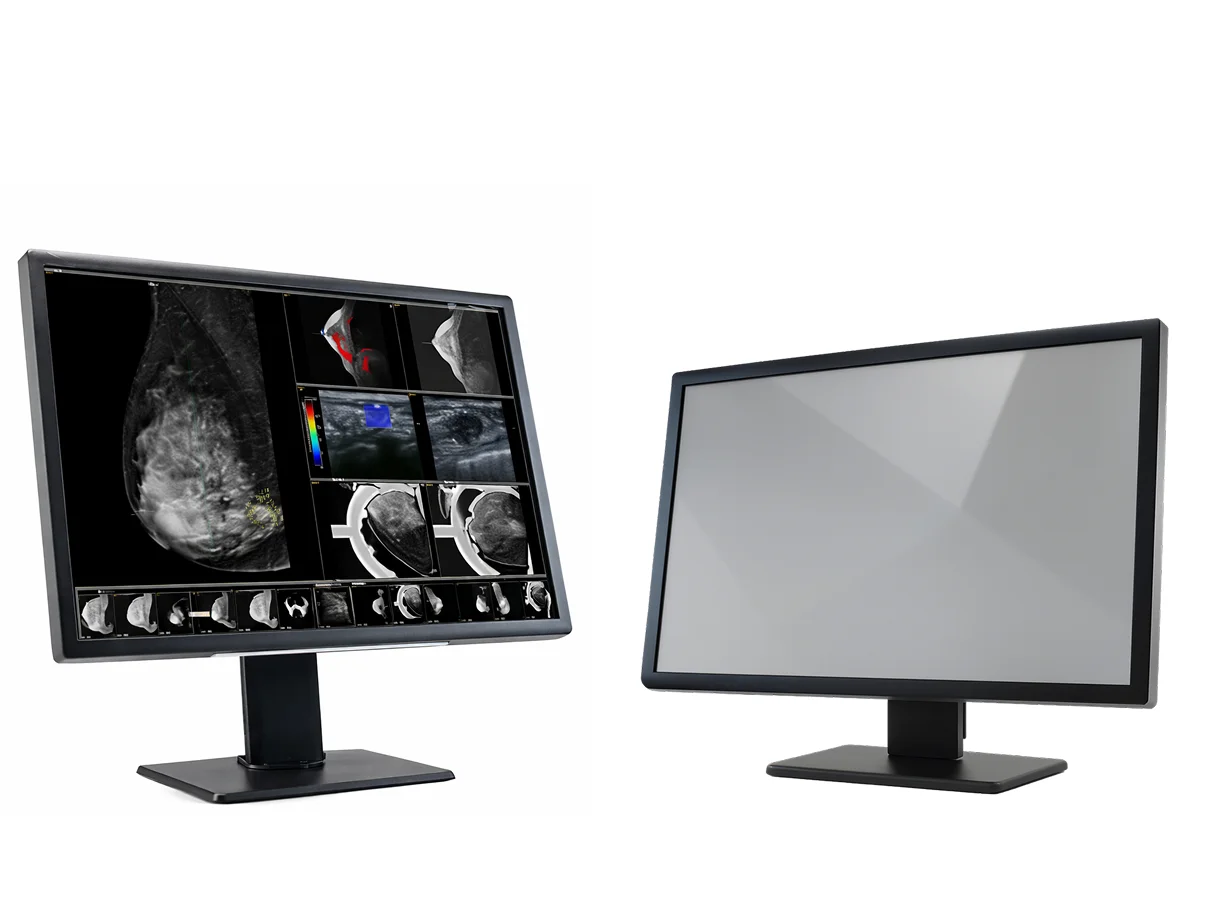
Difference between a medical display and a consumer display
At first glance, it may seem that there is almost no difference between an ordinary
and a medical monitor.
In medicine, what matters is not a bright picture, but the confidence that every
image is displayed accurately and without distortion.
- Calibration and quality control happen automatically, ensuring constant compliance with medical standards.
- Reliability — displays are designed for 24/7 operation and a long service life without brightness degradation.
- Cost-effectiveness — due to lower maintenance costs and stable operation, the total cost of ownership is lower than that of consumer monitors.
- Comfort for the doctor — high brightness, absence of noise, and accurate color reproduction reduce eye strain and increase diagnostic accuracy.
Brightness
Medical displays maintain stable brightness of up to 1000 cd/m² and higher, which is especially important for visualizing radiological and mammographic images.
Unlike consumer screens, their brightness does not decrease over time, ensuring constant compliance with the DICOM 3.14 standard.
Absence of noise
Built-in uniformity correction technologies eliminate distortions and brightness variations across the screen, which is especially important when detecting subtle pathologies. The image remains stable and free from visual artifacts.
Viewing angle
Medical displays provide uniform brightness and contrast across the entire screen and maintain high image quality even when the viewing angle changes. This allows multiple specialists to view the same image simultaneously without loss of accuracy.
Workflow and doctor comfort
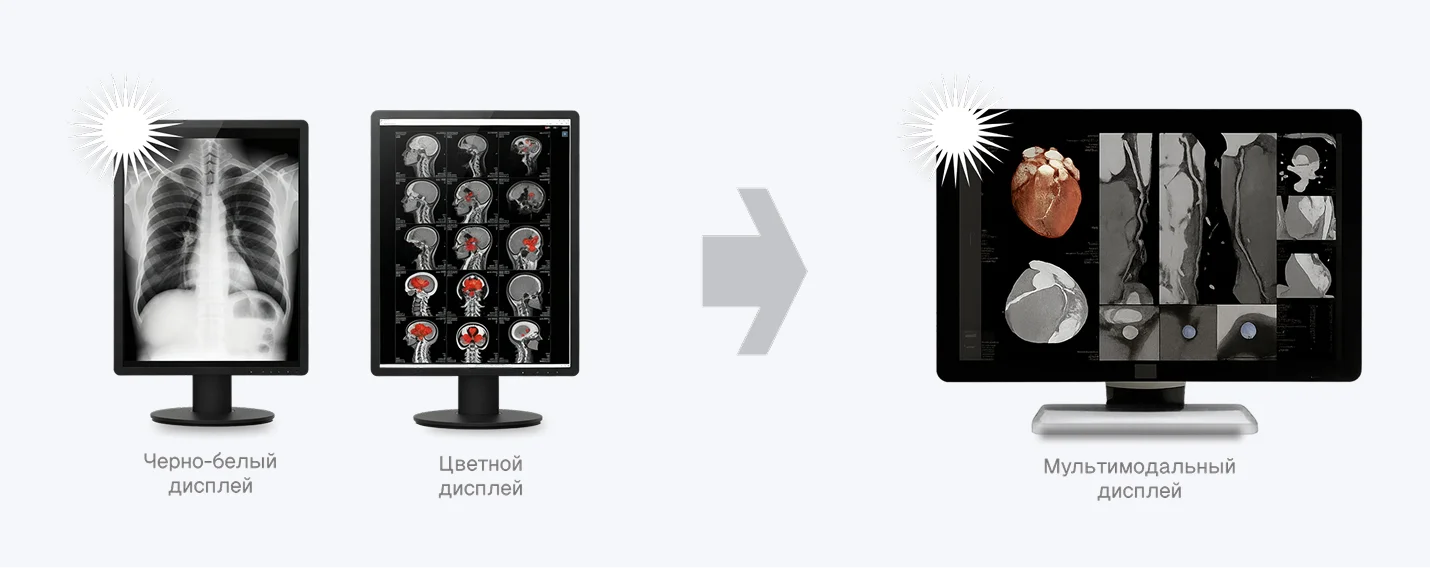
Multimodal visualization
Modern diagnostic displays allow displaying
multiple types of studies on a single screen.
This speeds up data comparison and increases analysis accuracy without
the need to switch monitors.
Ergonomics and comfort
According to studies, most radiologists experience
physical discomfort when working with images for long periods.
Therefore, medical displays are designed with ergonomics in mind:
- anti-glare glass,
- automatic brightness adjustment to ambient light,
- optimal field of view,
- enlarged screen sizes that allow viewing the entire image without scrolling.
This combination makes the doctor’s work comfortable, reduces
fatigue, and increases diagnostic accuracy.
Conclusion
Diagnostic displays are designed with one goal: to provide the most accurate and stable
representation of medical images.
They comply with strict medical standards, undergo automatic calibration, and
guarantee the quality on which the diagnosis and treatment of patients directly depend.