

Surgical displays
Transforming Healthcare, Together
What are surgical
displays
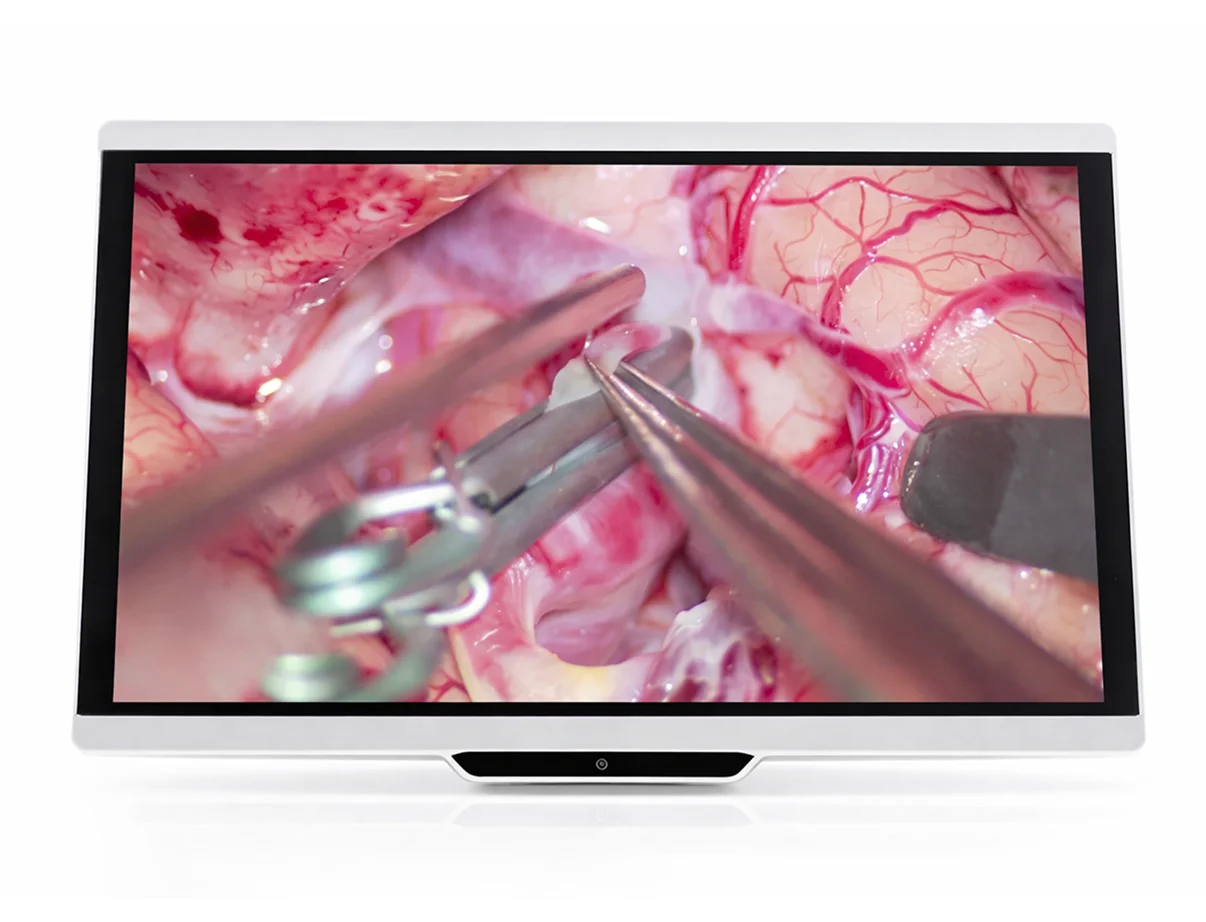
A surgical display is a medical‑grade monitor designed for use in the operating room.
It is used in visually guided procedures — for example, in endoscopy, laparoscopy, angiography, or minimally invasive radiology.
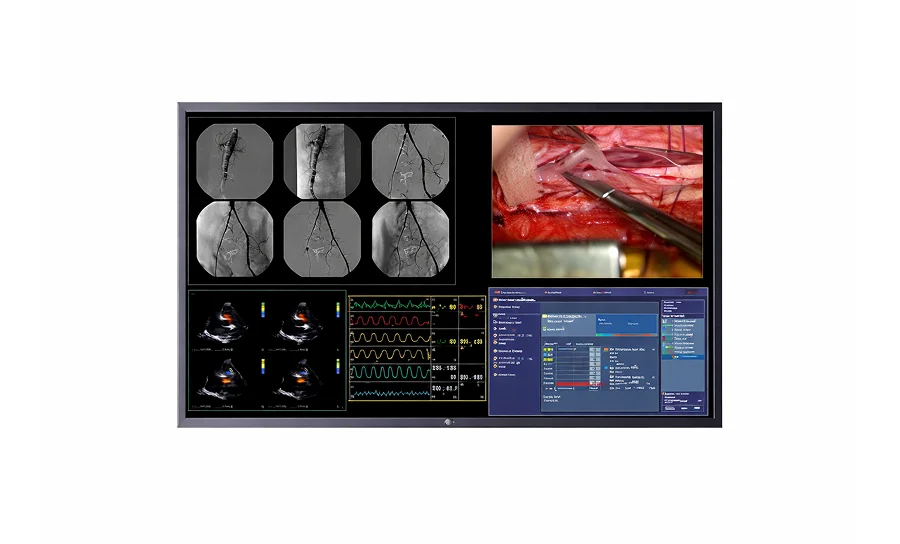
Such displays allow the surgeon to see the surgical field in real time with high accuracy and no delay, and also display additional data:
- images from PACS,
- patient vital signs,
- video streams from endoscopic and X‑ray systems.
In essence, the surgical display is the surgeon’s eyes during an operation. Image quality directly affects movement precision, eye‑hand coordination, and patient safety.
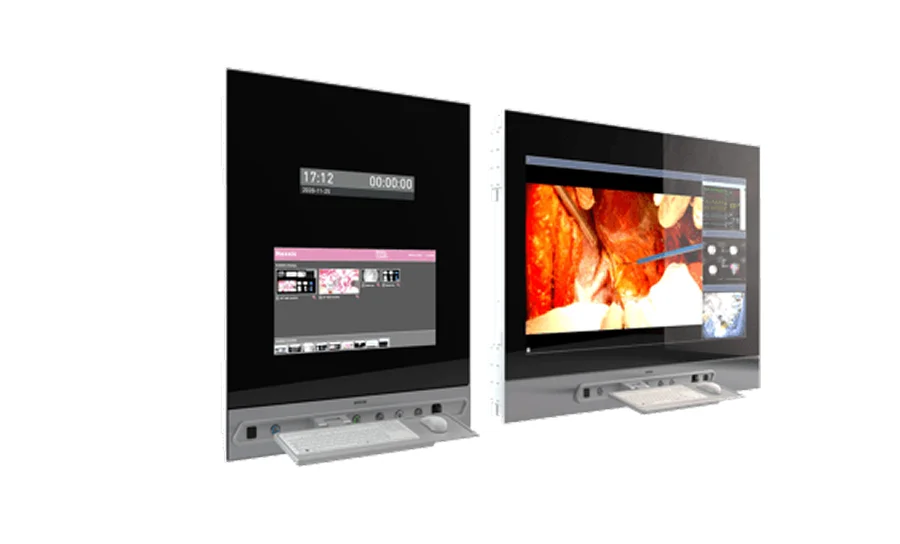
Types and formats of displays
Surgical displays come in different variants:
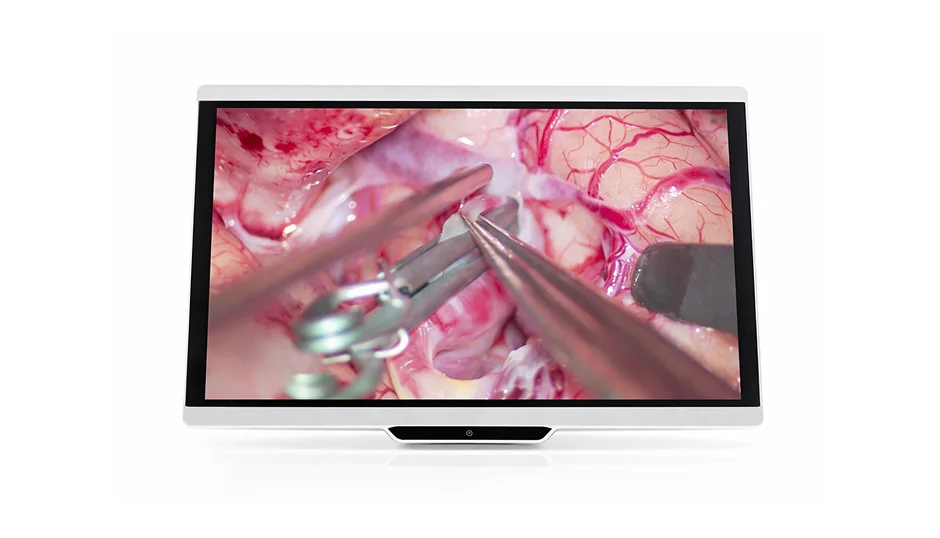
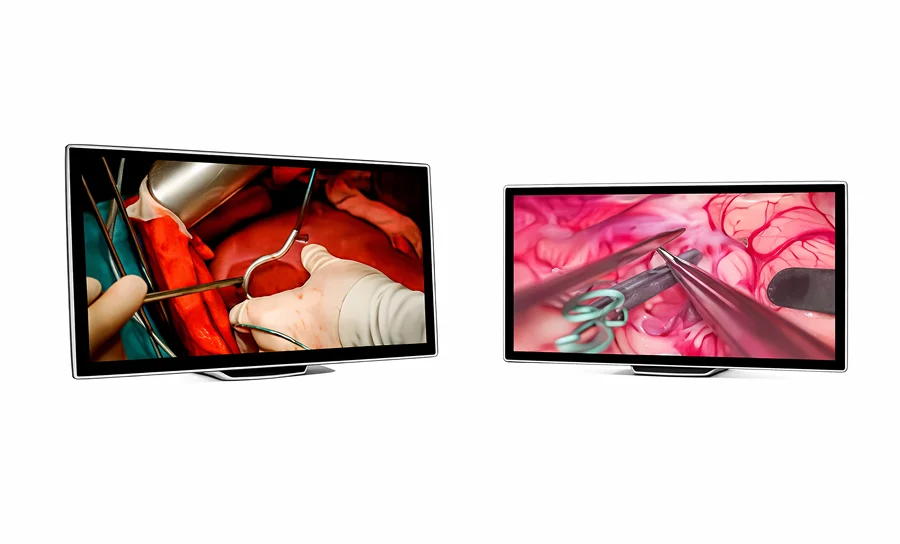
Patient‑side displays
provide instant visualization of anatomy
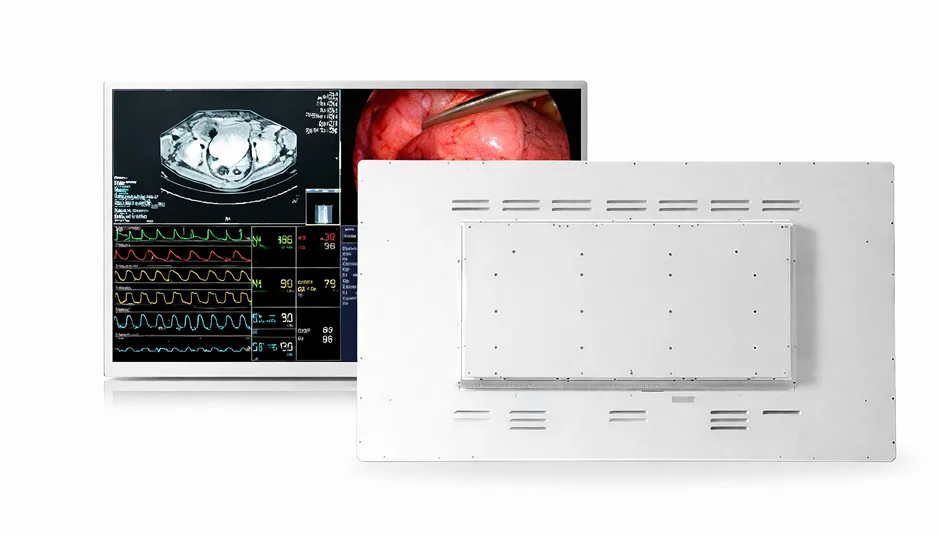
Large‑format displays (55–58")
are mounted on a wall or ceiling console and allow the entire team to see the image simultaneously
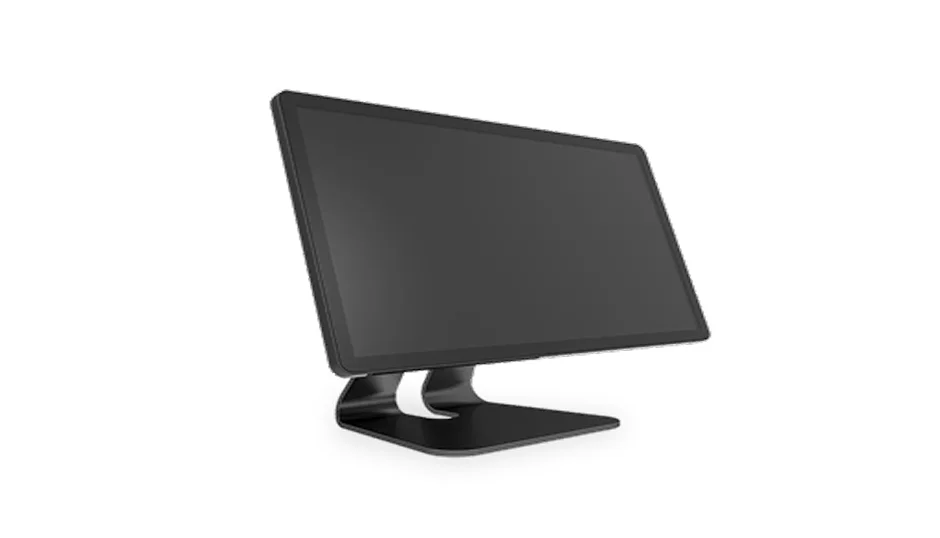
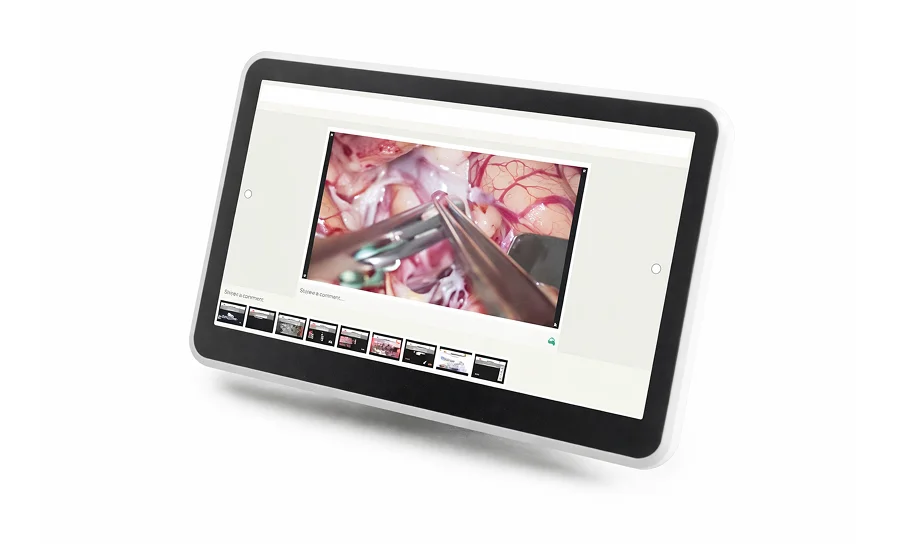
Control panels and touch interfaces
are used in the operating room to select image sources and manage video signals
Image accuracy and quality
In surgery, it is crucial that the image on the screen matches exactly what is happening in reality. Therefore, surgical displays provide:
- minimum signal transmission delay,
- high resolution (Full HD, 4K, 8K),
- wide color gamut for natural display of tissues, vessels, and nerves,
- depth perception — thanks to high contrast and detail.
4K technology makes the image four times more detailed than Full HD and expands the color spectrum, especially in the red range — which is critical for visualizing blood vessels.
This creates an ‘immersion’ effect and helps the surgeon act more precisely.
To maintain a stable image throughout the operation, displays are equipped with:
- backlight stabilization systems — brightness does not drop even during long‑term use;
- distortion and noise elimination technologies — the image remains clean and uniform;
- built‑in DICOM LUT table, which ensures correct display of radiological images in the operating room.
Wide viewing angles allow the image to be seen without distortion even from a side position, which is especially important for teamwork in the operating room.
Hygiene and safety
Hygiene in the operating room is no less important than image quality.
Surgical displays are designed so that they can be quickly and safely disinfected:
- smooth, sealed surface with no ventilation openings,
- fanless construction,
- protection against moisture and dust,
- impact‑resistant protective glass.
Many models are equipped with an automatic signal switching function — if the main image source fails, the system instantly switches to a backup channel without interrupting visualization.

Integration and control
Modern surgical displays connect to operating room video integration systems, allowing you to:
- combine all data sources (endoscope, angiograph, physiologic monitoring, PACS) into a single system;
- manage images and streams via touch panels;
- broadcast surgeries in real time.
Some models have built‑in modules for signal transmission over fiber‑optic or IP networks.
Why this matters
Surgical displays provide surgical teams with a complete view of the operative field, helping them:
see the smallest structures — vessels, nerves, tissues,
work with high precision and safety,
minimize the risk of complications,
increase the efficiency of minimally invasive and angiographic procedures.
Reliability, image quality, and ease of maintenance make them an indispensable part of a modern operating room.