
Medical IT solutions
Transforming Healthcare, Together
Digital infrastructure of a modern clinic
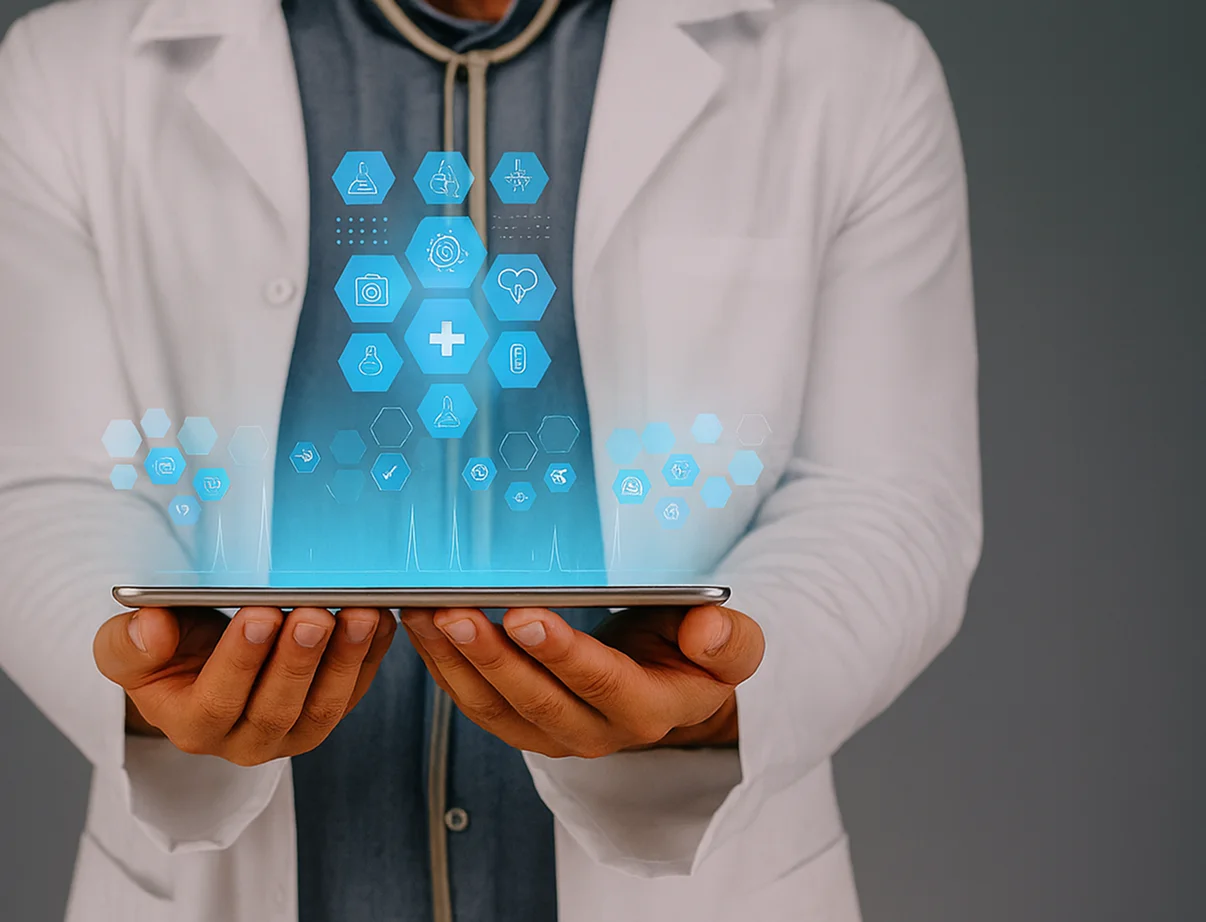
Modern medicine increasingly relies on digital technologies.
It is not just about individual systems or software products, but about a holistic IT environment that unites patient data, medical equipment, workflows, and teams of specialists.
Medical IT solutions help clinics work faster, safer, and more efficiently — from diagnostics and treatment to resource management and quality of care.
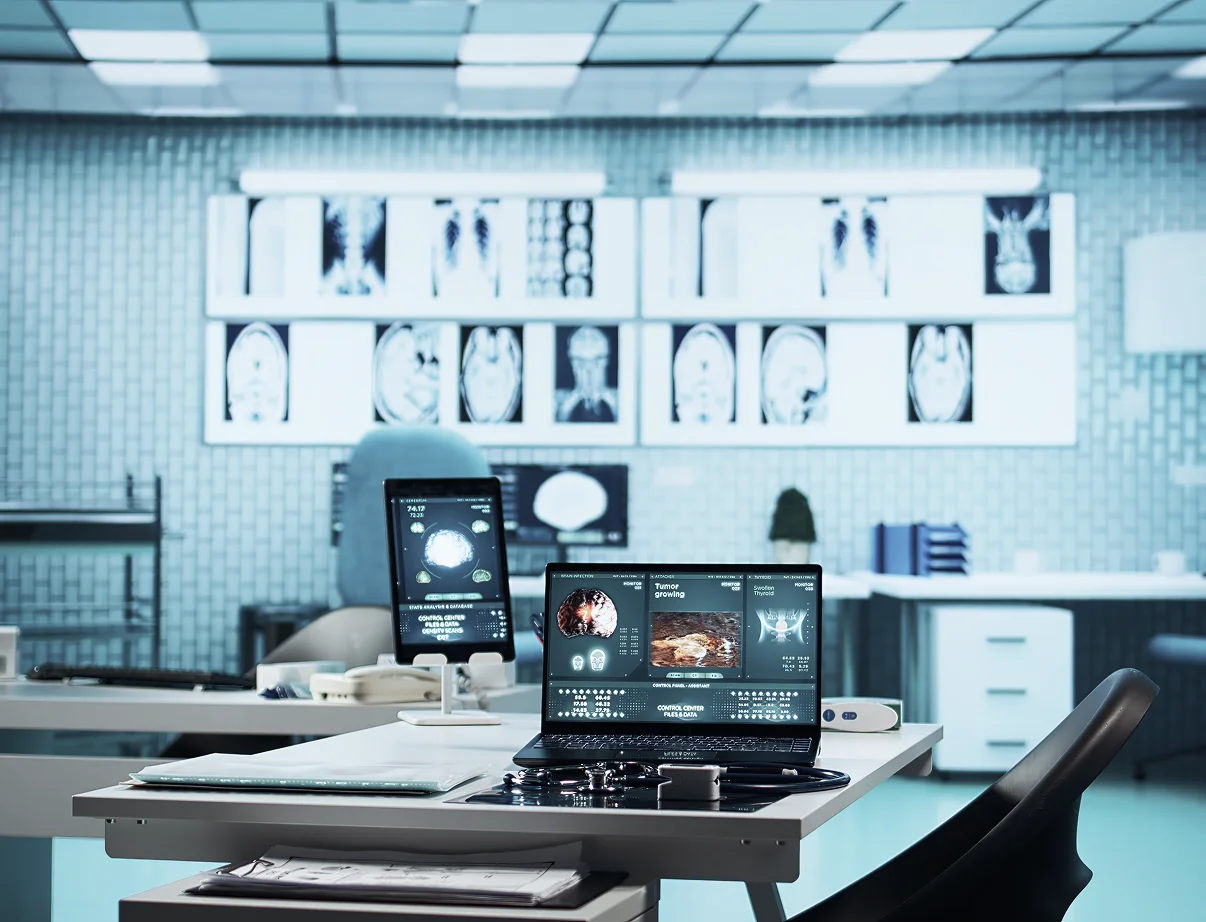
What medical IT solutions include
Medical IT solutions are a set of interconnected technologies that provide:
- access to medical information at the right time,
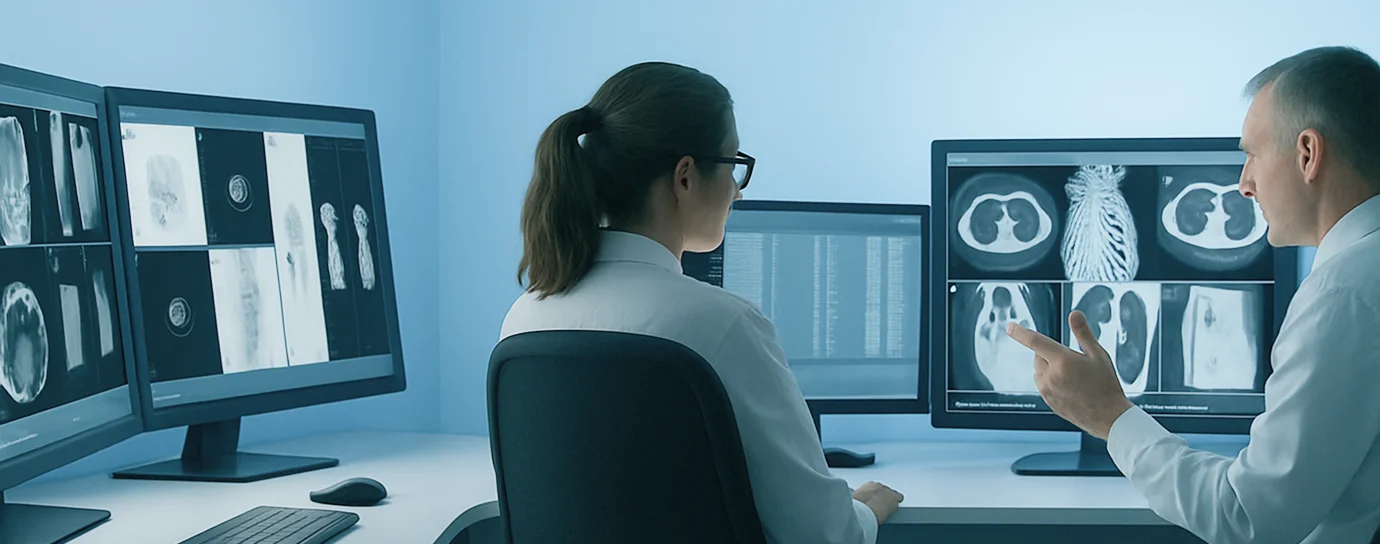
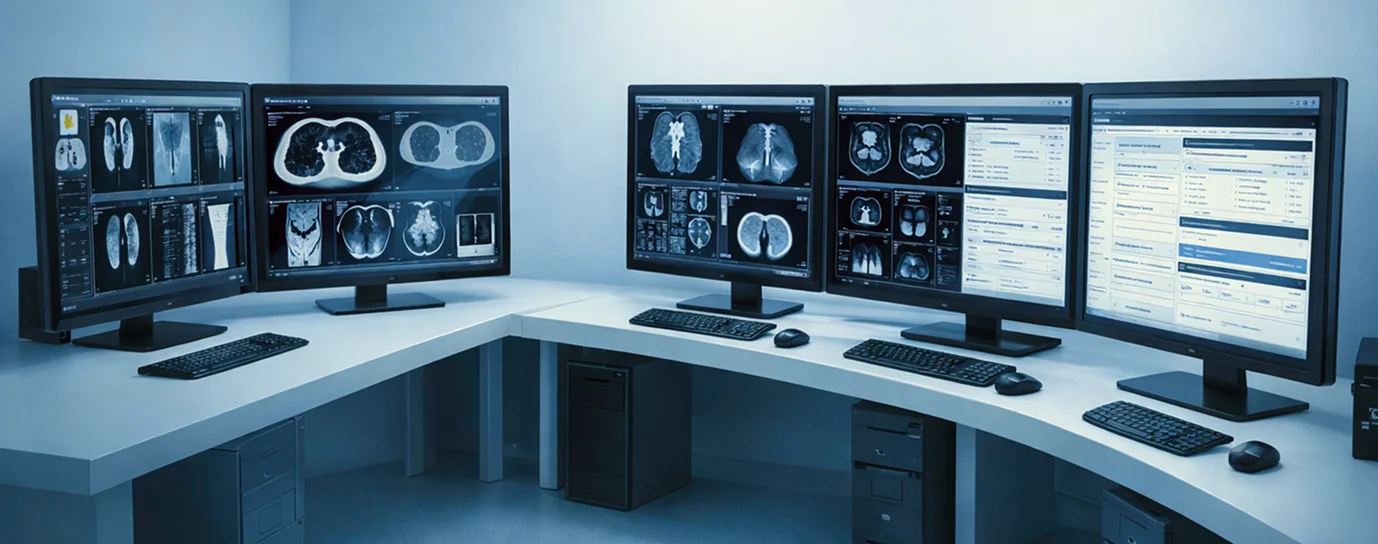
- convenient visualization of data and images,
- coordinated work of doctors and staff,
- integration of equipment and software systems,
- control and analysis of workflows.
All solutions are built taking into account clinical tasks, security requirements, and the existing IT infrastructure of the medical institution.
Main areas
Integration of medical systems
A modern clinic uses several information systems simultaneously.
Integration allows them to be connected into a single digital environment where patient data is accessible without manual duplication and information loss.
What this provides:
- a complete patient history,
- reduction in the number of errors,
- simplification of work for doctors and nurses,
- process transparency for management.
Digital operating rooms and OR integration
IT solutions in the operating room combine visualization, patient data, and equipment management.
This reduces staff workload, increases safety, and improves team interaction.
Key capabilities:
- centralized management of systems,
- access to data during surgery,
- recording and archiving of procedures,
- remote consultations and training.
Analytics and process management
Medical data can be used not only for treatment but also for clinic management.
Analytical tools help evaluate work efficiency, staff and equipment workload.
Examples of tasks:
- monitoring study turnaround time,
- analysis of department workload,
- identifying bottlenecks in processes,
- support for management decisions.
Telemedicine
IT solutions allow doctors to interact with patients and colleagues regardless of location.
This is especially important for consultations, expert support, and workload distribution among specialists.
Benefits:
- access to experts,
- reduction of waiting time,
- support for regional and remote clinics.
Intelligent modules and physician support
Algorithms and analytical modules are used as a supportive tool for the doctor.
They help structure data, speed up workflows, and improve the quality of decision‑making.
Importantly, such solutions complement clinical practice, not replace it.
Want to understand which medical IT solutions are right for your clinic?
We will help assess your current IT environment and select solutions for your real tasks.