

Medical display controllers
Transforming Healthcare, Together
Medical display
controllers
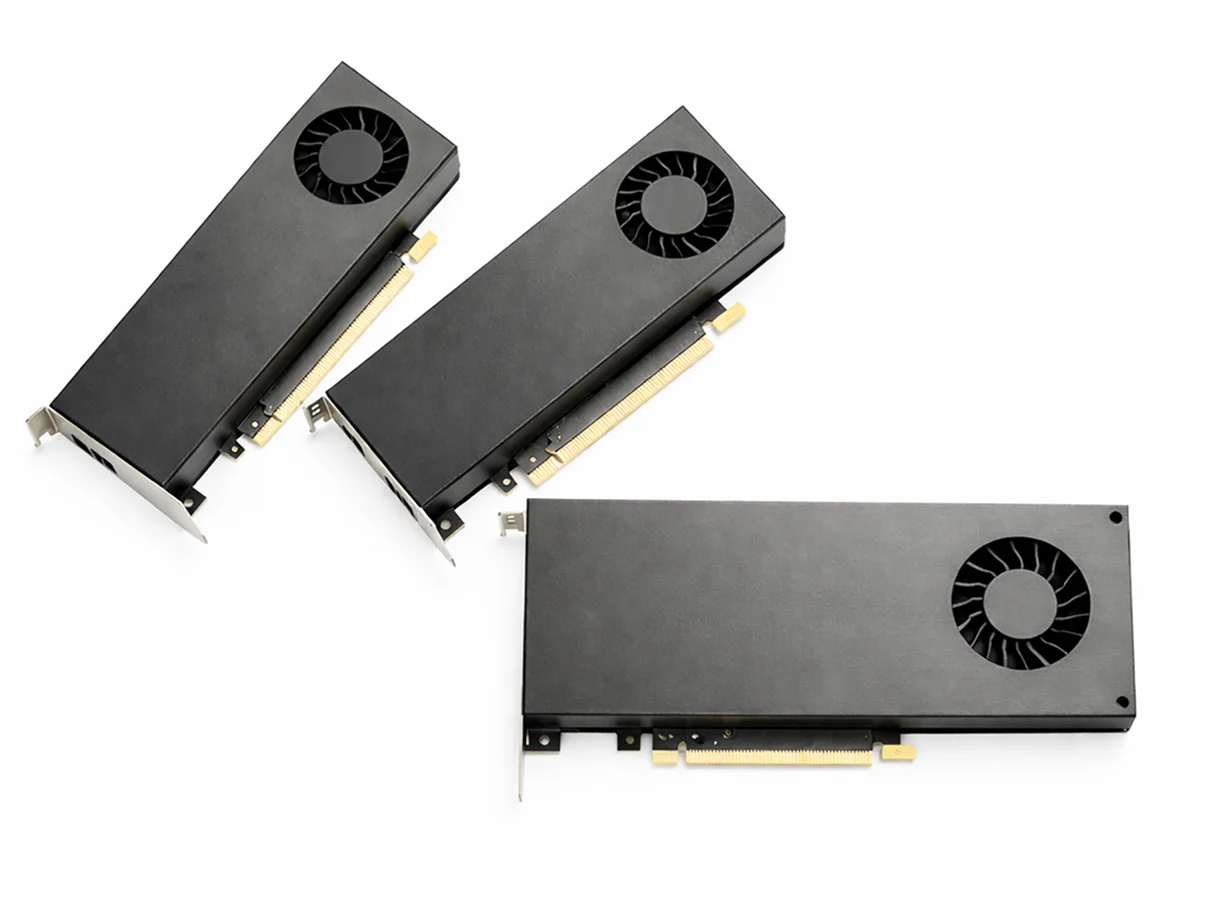
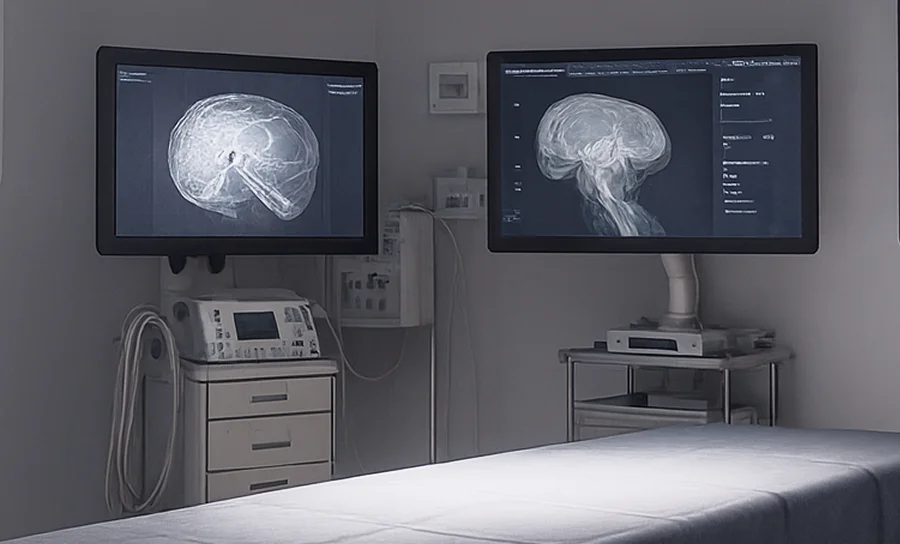
A display controller, or graphics card, is a key component that ensures the transmission and display of medical images on the screen.
It converts data received from a computer or diagnostic station into a visual image with the precision required for analysis.
In ordinary computers, the graphics card is responsible for playing games or videos.
In medicine, however, the controller must support multiple monitors operating at ultra‑high resolutions (up to 32 MP) and with 30‑bit color depth, which is necessary for correct grayscale reproduction in accordance with the DICOM standard.
How it works
The controller connects the workstation and the display:
- the input interface receives digital data from the computer;
- the graphics processing unit (GPU) processes it and converts it into an image;
- the video output sends the image to the medical display.
During this process, the graphics card provides scaling, color correction, and smooth image handling — without delays or loss of quality.
In diagnostics, this is critical: the stability and accuracy of image output directly affect the outcome of the analysis.
How medical‑grade controllers differ
Graphics cards for medical displays are specifically designed for imaging tasks in diagnostics, surgery, and radiology.
Unlike consumer solutions, they are built for long continuous operation, high‑precision image processing, and integration with medical standards (e.g., DICOM 3.14, OpenGL, and DirectX for PACS viewers).
Key differences:
- high computing power for processing multi‑slice and 3D data;
- accurate color calibration and consistency with the display profile;
- support for multiple monitors (often 2 or 3 displays of 5 MP and above);
- overheat protection and stability during 24/7 operation;
- long service life and industrial reliability.
Technologies that make the difference
Multi‑display Synchronization
Synchronized output to multiple screens without delays.
Allows working with two or more displays as a single visual surface — convenient for comparisons and multimodal studies.

Advantages of medical controllers
- Speed and stability: processing large images without freezes or quality loss.
- Compatibility: work with diagnostic, surgical, and clinical displays, as well as PACS systems.
- Future‑ready: support for high resolutions (4K, 8K) and new data interfaces (DisplayPort 1.4, HDMI 2.1).
- Reliability: 24/7 operation, long service life, and industrial certification.
- Workflow optimization: ability to quickly compare images, zoom, and process without delays.
Reliability and compatibility
Medical display manufacturers validate graphics cards with medical displays.
This ensures compatibility, optimal color reproduction, and correct rendering of diagnostic images.
Typically, such controllers come with the same warranty terms as the displays and are supported through unified QA systems.
Why this matters
Modern medical studies require high data processing speed and absolute visualization accuracy.
The display controller ensures continuous and consistent operation of the entire system: from the scanner and workstation to the physician’s monitor.
Its power and stability determine how quickly and correctly the doctor can see, analyze, and interpret the results.
Recommended products
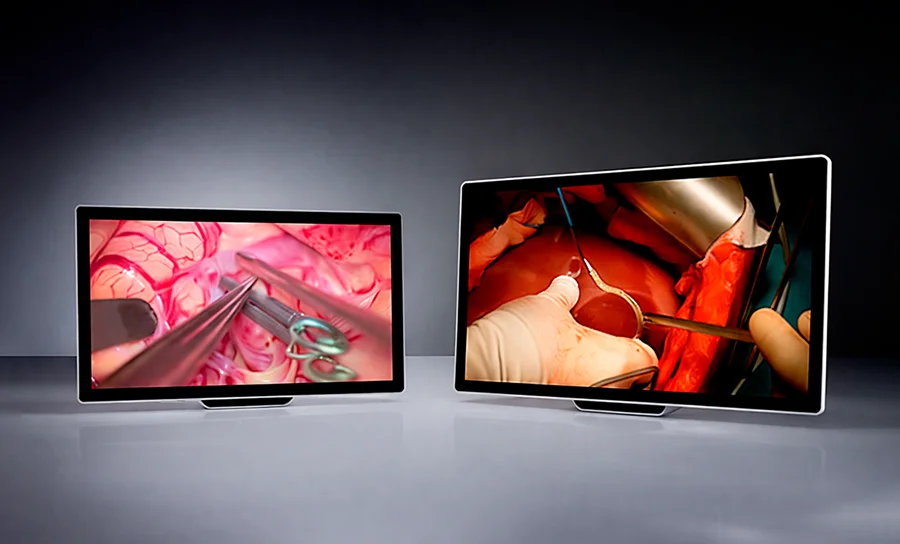
Surgical Displays
Medical computers
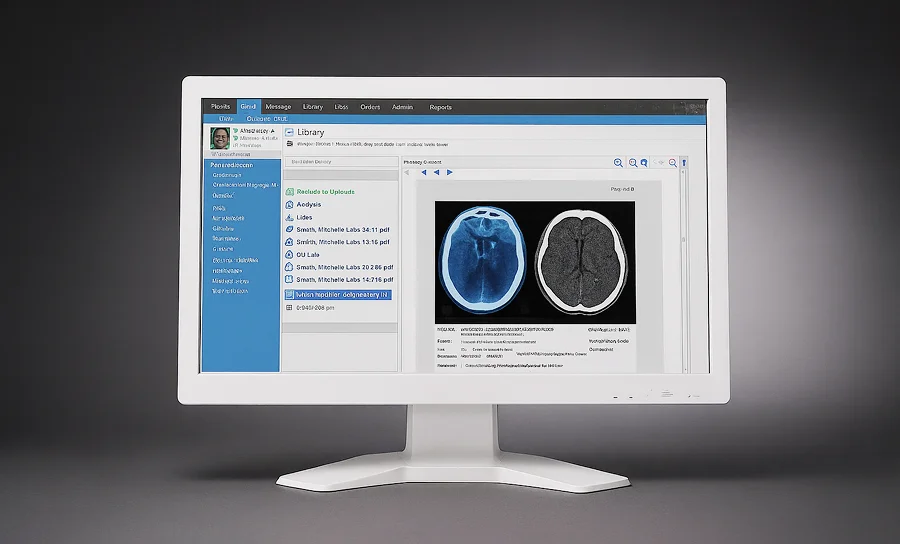
PACS/RIS solutions

Medical IT solutions
Digital Operating Room
Surgical Displays
Medical computers
PACS/RIS solutions
Medical IT solutions
Digital Operating Room
Surgical Displays
Medical computers
PACS/RIS solutions
Medical IT solutions
Digital Operating Room
Surgical Displays
Medical computers
PACS/RIS solutions
Medical IT solutions
Digital Operating Room
The ITCO MED team helps select graphics cards and controllers for medical displays, organizes demo testing and integration of equipment into existing workstations.